Lifetime Authenticity Guarantee
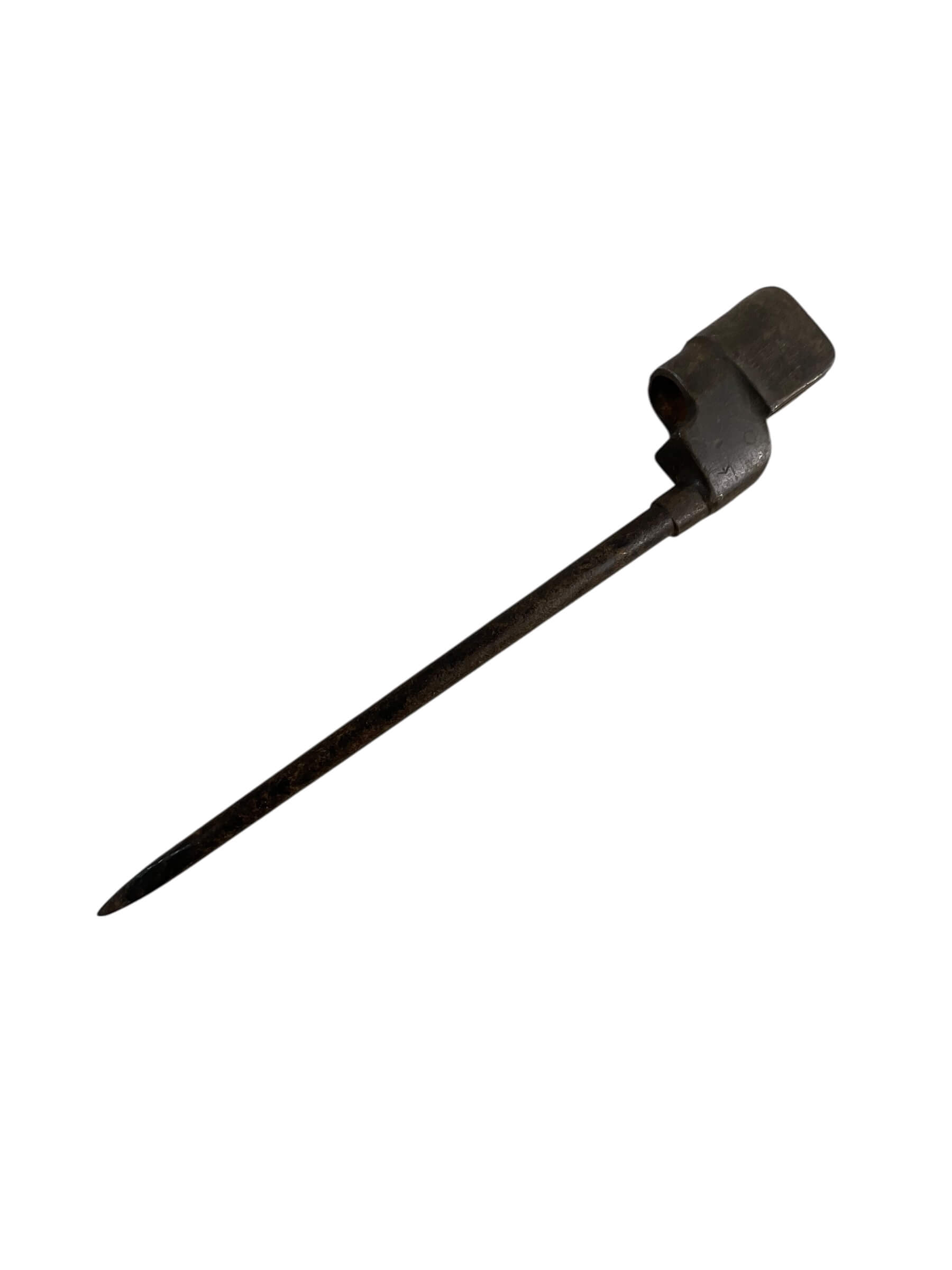
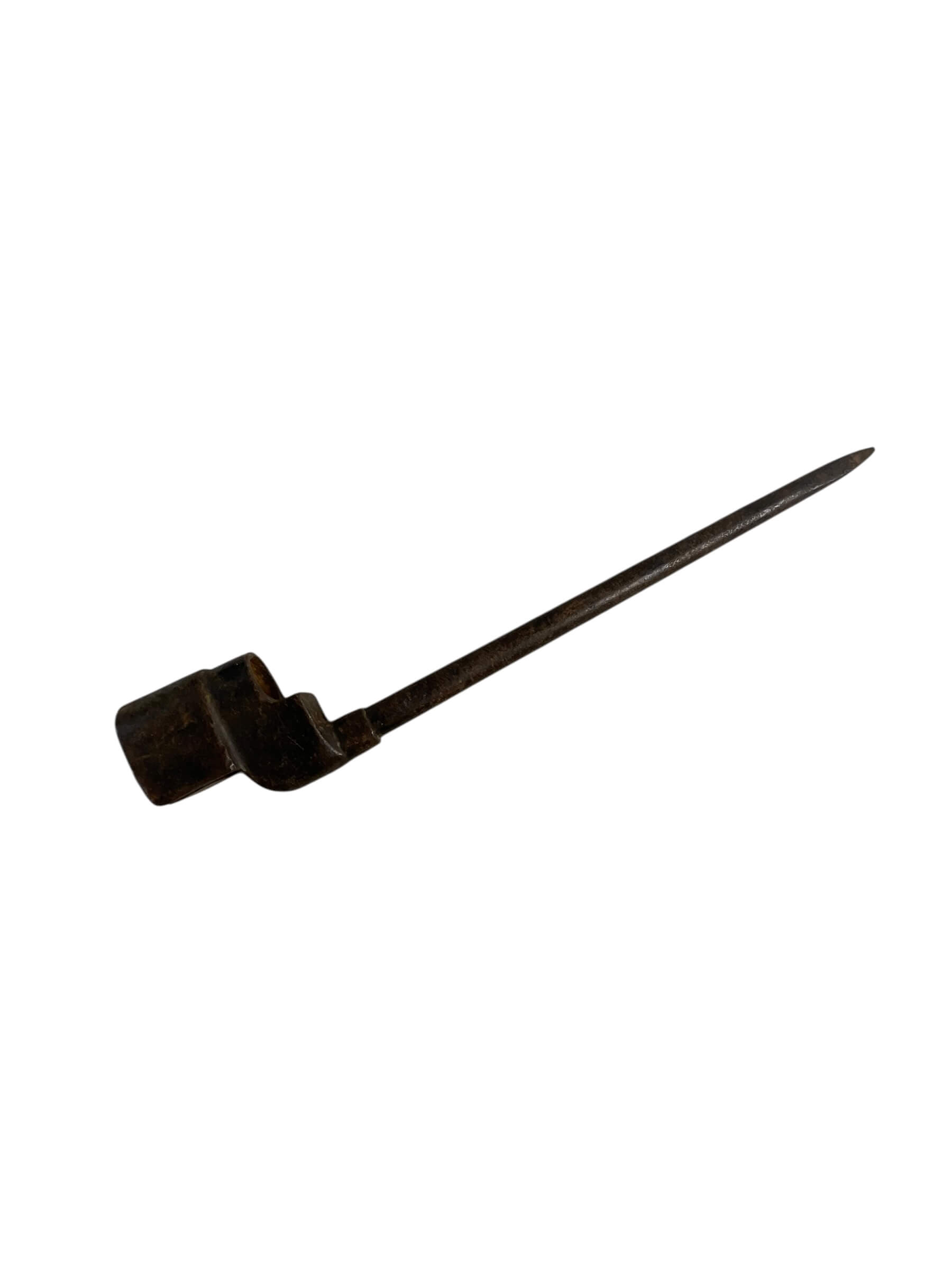
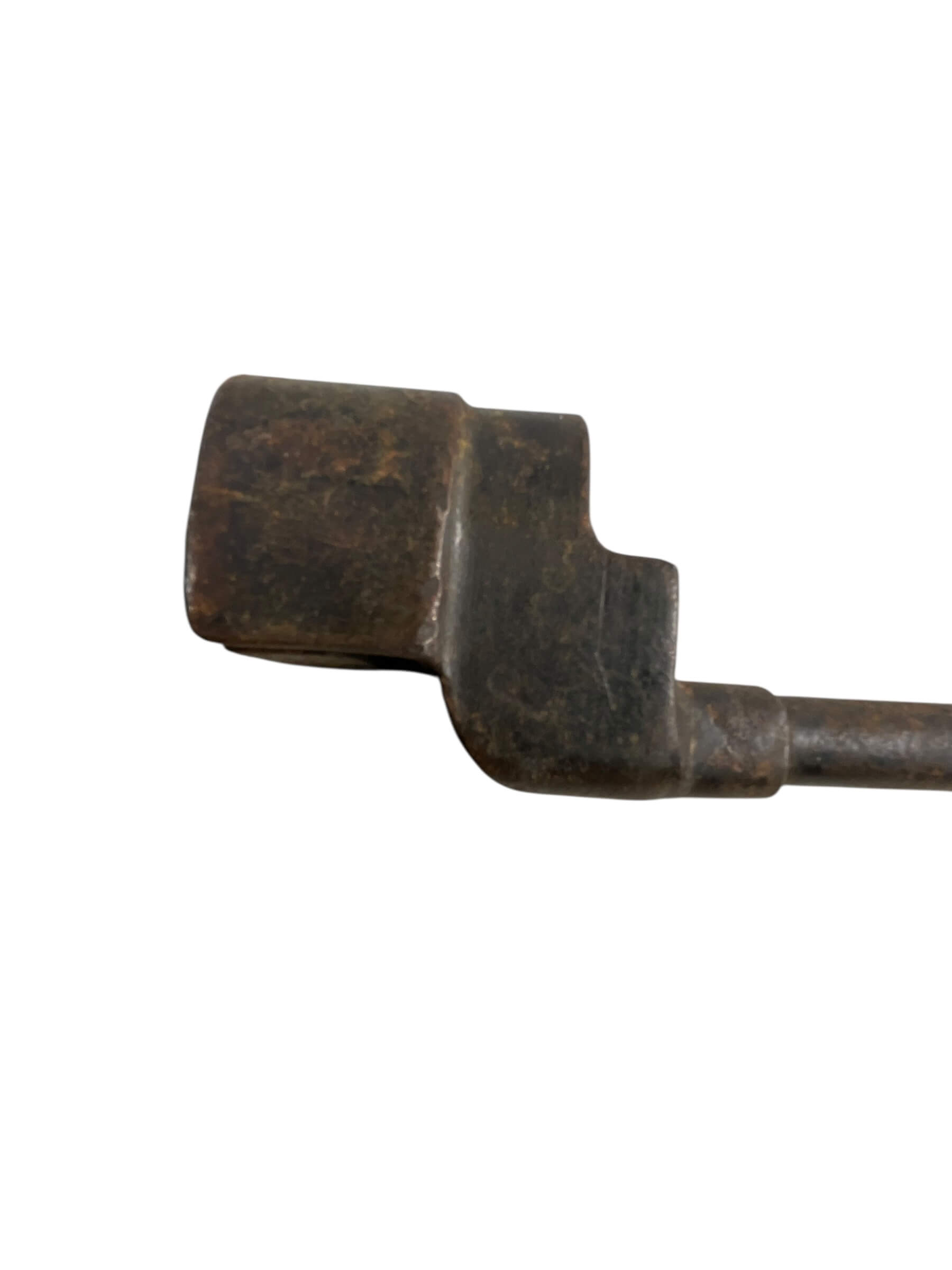
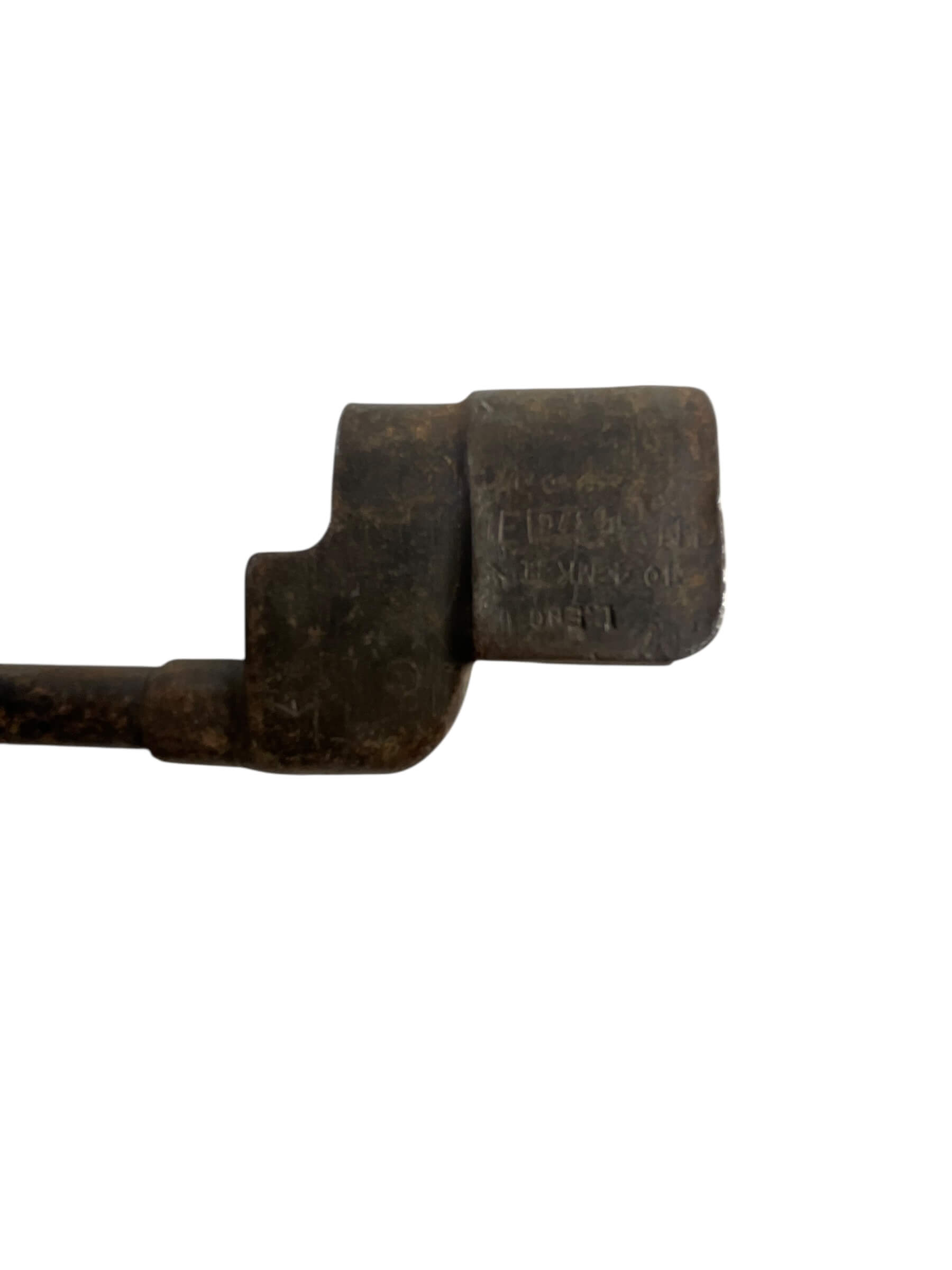
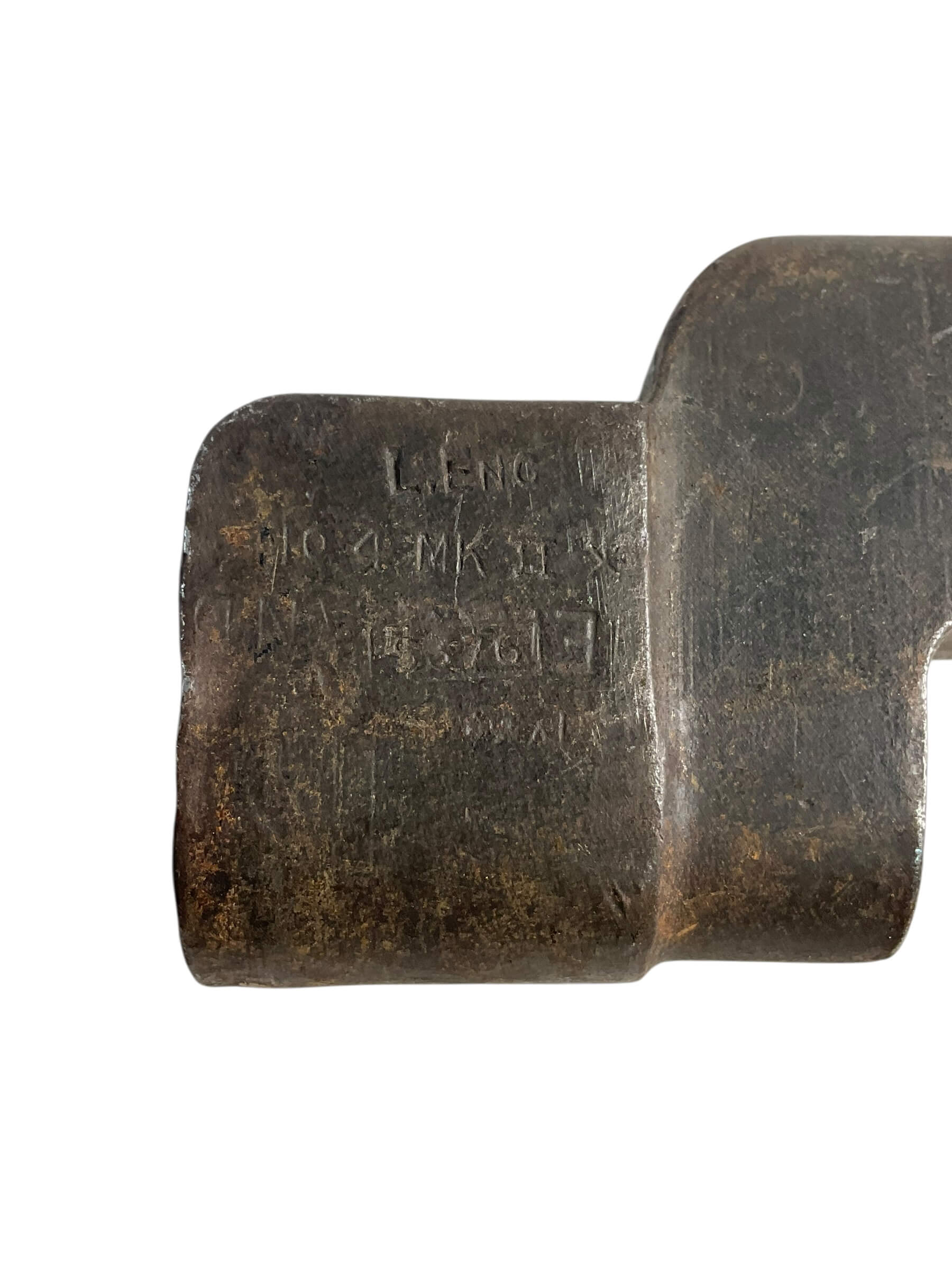
The WW2 British Army Spike Bayonet is a utilitarian edged weapon issued to British and Commonwealth forces during the Second World War. Designed primarily for the Lee-Enfield No. 4 rifle, it features a rod-style, cruciform spike blade, measuring approximately 8 inches in length. Unlike earlier sword or knife bayonets, the spike design emphasizes simplicity and ease of mass production, reflecting wartime manufacturing needs. The bayonet’s blade is made from forged steel, and the socket is designed to fit securely onto the rifle’s muzzle. Markings on the socket or blade often denote the manufacturer and date of production, with notable examples produced by companies such as Singer and Savage. The lack of a cutting edge distinguishes it from traditional bayonets, underscoring its function as a thrusting weapon. The WW2 British Army Spike Bayonet remains an important artifact from military history, illustrating changes in weapon design during the conflict.